Electrical infrastructure sits quietly in the background of almost every operation, until something goes wrong. A tripped circuit, a failing connection or an overloaded panel can interrupt work, affect equipment and create safety concerns. Routine maintenance is one of the most practical ways to reduce avoidable interruptions.
This article looks at why electrical infrastructure needs regular care and how a structured maintenance approach can support more dependable operation.
Why electrical infrastructure needs routine care
Electrical systems are subject to load, heat, vibration, dust, moisture and ageing. Over time, components can loosen, wear or degrade, even when they appear to be working normally. Routine care helps identify these changes before they lead to unplanned downtime. It also gives operators better visibility into the condition of their systems.
Panel and distribution checks
Distribution panels and associated equipment are central to how power is delivered. Maintenance checks typically look at the general condition of enclosures, labelling, protective devices, busbars and terminations, as well as signs of overheating, discolouration or moisture. Clean, orderly and well-labelled panels are easier to operate safely and to troubleshoot. Panel work should only be carried out by competent personnel following safe procedures.
Connections and cable inspection
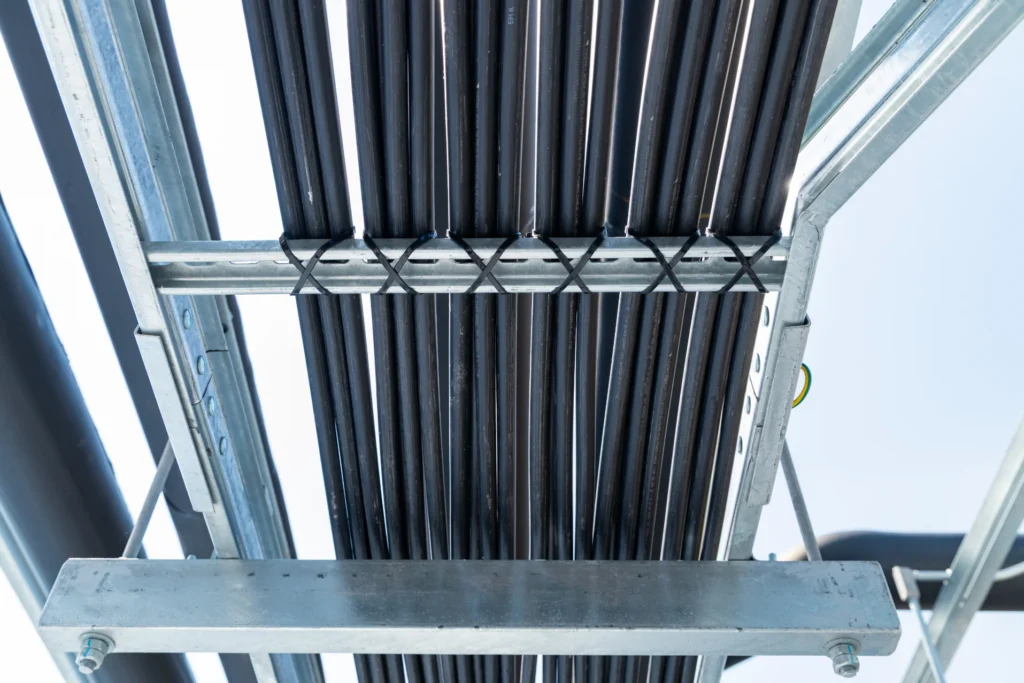
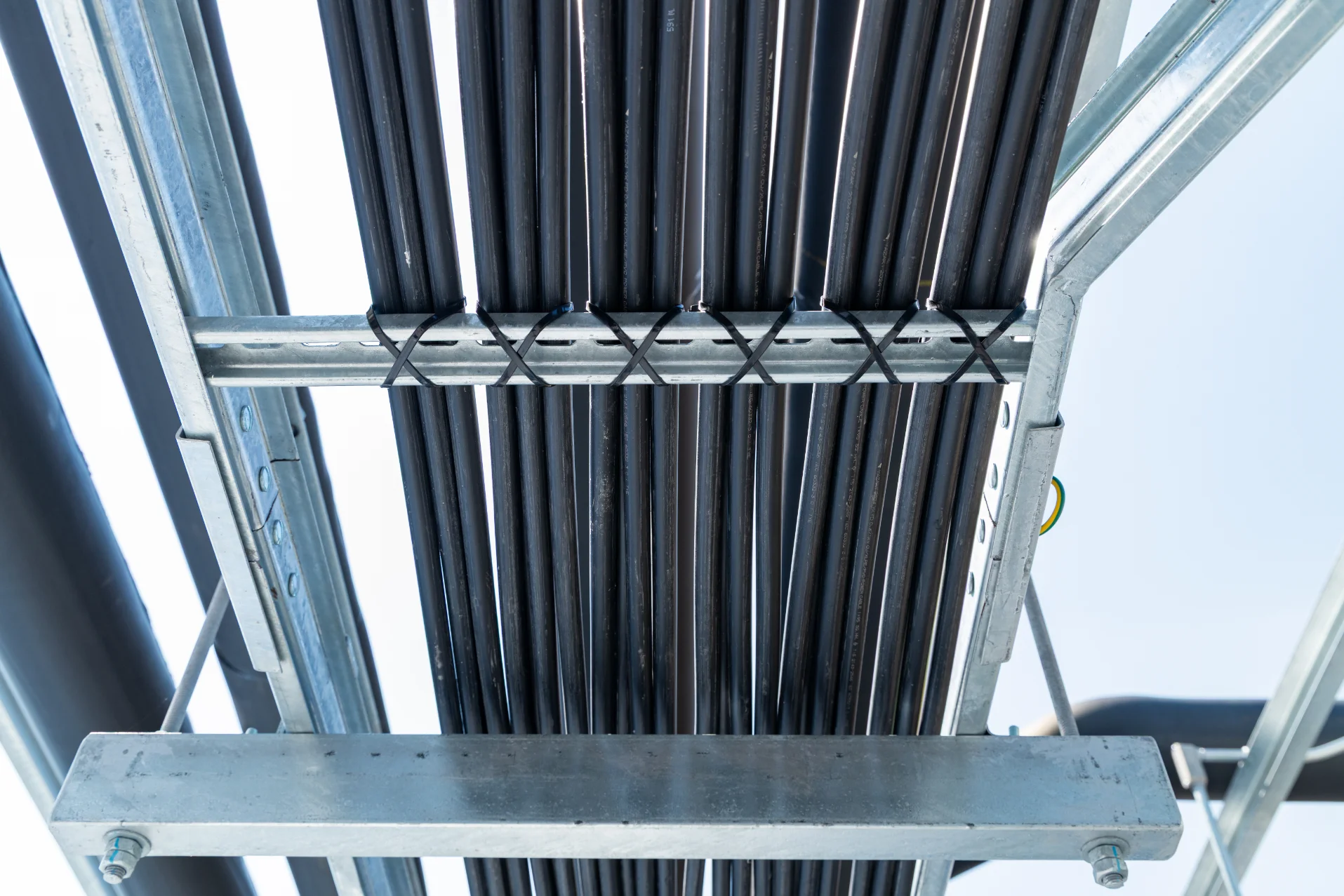
Connections are a common source of developing problems. A connection that is slightly loose can heat up under load and deteriorate further. Cable inspection looks for damaged insulation, signs of heat, mechanical damage, poor routing and inadequate support. Where cables pass through areas exposed to movement, weather or heat, they deserve extra attention.
Signs of developing electrical issues
Some warning signs are easy to notice if people know what to look for. Examples include:
- Protective devices that trip repeatedly
- Flickering or inconsistent supply
- Unusual smells, noises or warmth around equipment
- Discolouration or marks on enclosures and terminations
- Equipment that behaves differently from normal
Any of these signs should be reported and checked by a qualified person. They should not be ignored or worked around.
Preventive maintenance
Preventive maintenance turns good intentions into a routine. It usually involves scheduled inspections, condition checks, tightening or correction of connections where required, cleaning, and a written record of findings. Records are valuable because they make changes visible over time and help prioritise work sensibly.
Troubleshooting
When a fault does occur, structured troubleshooting helps find the cause efficiently. This means gathering information about what happened, checking the most likely causes first and confirming the result before returning equipment to use. Knowing the history and condition of the system makes this process faster and more reliable.
Corrective maintenance
Corrective maintenance addresses faults and defects that have been identified. It may involve repairing or replacing components, restoring connections or correcting installation issues. Done well, corrective work should also consider why the problem occurred, so that it is less likely to return.
Building a structured maintenance approach
A structured approach does not need to be complicated. A practical starting point is to list the key electrical assets, decide how often each should be inspected, record what is found, and follow up on any findings. Over time, this routine supports clearer decisions about repairs and planning. It also helps make sure that safety-related observations are not missed.
Planning maintenance around operations
Maintenance is easier to accept when it is planned around how a site actually works. Where possible, inspections and corrective work can be scheduled at quieter times, with clear communication about any planned isolation. Planning also helps make sure the right people, tools and access are available. Reducing surprise is a large part of reducing disruption.
Safety and competence
Electrical work involves risk, and it should only be carried out by suitably competent people following appropriate safe working procedures. Visual observations by site staff are valuable and should be reported, but opening enclosures, testing and repairs belong with qualified personnel.
How N-Nexus provides technical support
N-Nexus provides inspection, preventive maintenance, fault identification and technical support for electrical infrastructure. You can find out more on our Electrical & Power Distribution Solutions page.
If you would like to discuss your electrical maintenance requirements, please contact N-Nexus and describe what you need.